
An appealing menu is only the start. A few details about source, serving and configuration can make your next order much easier to understand.
Start with a clear order
A menu price is only useful when you know what it describes. An individual burger, a meal with a side and drink, a children’s portion and a group package are different purchases. Write down the configuration you want before comparing prices across menu pages. That small step can prevent a surprisingly large misunderstanding.
The same idea applies within one restaurant. A familiar product name can be used for different sizes or formats. Instead of collecting amounts first and adding context later, keep the serving and channel beside each figure from the start. You are then comparing actual choices rather than isolated numbers.
Choose the restaurant and the channel
Use the restaurant’s official ordering service and select the location you would visit. Then choose pickup, collection or delivery as appropriate. A nationwide guide can point you towards the right category, but it does not automatically know the price for every location and service.
Keep the channel consistent throughout your comparison. If one amount comes from an official pickup basket and another comes from a delivery app, the totals may answer different questions. Read the final basket and any extra charges before deciding which option is better for your own order.
Record what is included
For a meal, note the main item, side size and beverage size. For a custom bowl, record the protein, base, toppings and extras. For a package, check the number of people or portions it is intended to serve. This is more informative than describing everything as a meal and comparing the headline amount.
If a menu offers a starting price, keep the words “starting at” with it and read the conditions. A starting price does not necessarily describe your chosen configuration. Likewise, an advertised group package is not the individual price of every dish included in it.
Watch the serving basis
Nutrition can help clarify what a listing describes, but only when the serving basis matches the price. A figure for one sandwich cannot be treated as the calorie total for a combo. A standard ingredient portion cannot describe a finished bowl without its other ingredients.
Keep the order lines separate until you have the full configuration. This makes it easier to see where an extra side, topping or drink changes both the amount and the meal. If you cannot find the needed nutrition figure, use the official source rather than supplying an estimate.
Check the date and source
A screenshot or old receipt records a particular moment and purchase. It may be useful history, but it does not establish today’s price at your restaurant. Look for a current official source, then keep the check date beside your notes. Country also matters: a UK menu and a US menu should not be silently combined.
When a publisher has no appropriate official local price, a clear “Check local price” message is more useful than false precision. It tells you which step remains. The final amount should come from the restaurant or service that will accept your order.
Make the final comparison
Review the complete basket for each option. Ask whether you would actually order the listed configuration, whether all the components are included and whether the final checkout adds charges. Choose using the information relevant to your meal rather than a figure detached from its context.
MenuBye restaurant guides are organised to support that process: source links, country labels and serving notes stay close to the entries. They provide a route into the menu, while the official ordering service confirms your own availability and total.
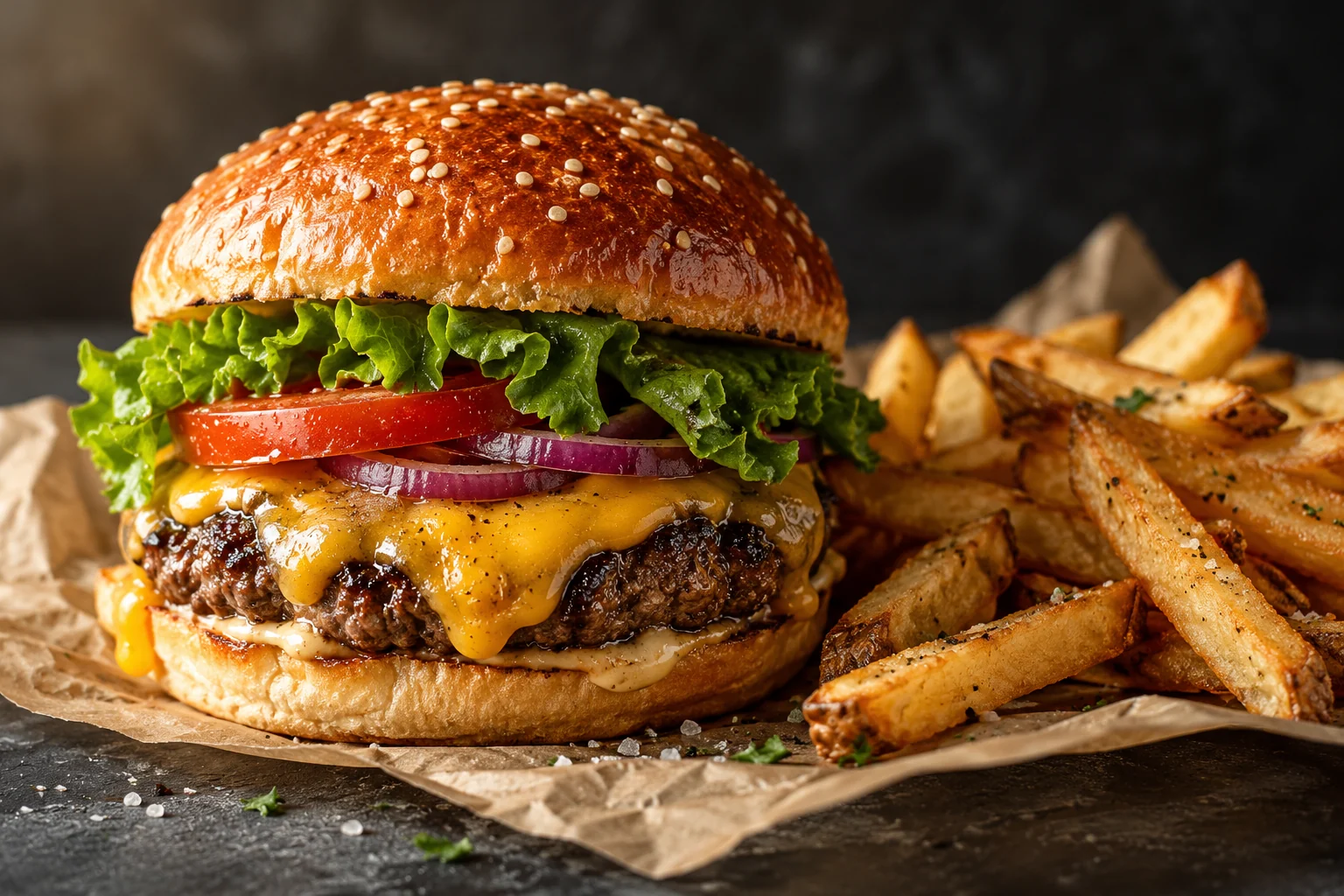
Explore our restaurant menu guides for source-linked examples. Food imagery in this article is generic editorial imagery, not a photograph of a specific branded menu item.